Sleeping Quarter
The sleeping area is designed around rest above all else. Natural light enters softly, and the room's neutral palette of pale timber and linen creates an atmosphere that settles the senses at the end of a full day in the mountains.
A place for two, set among the mountains of central Japan. Clean lines, genuine calm, and a landscape that changes with every season.
Stripe is a compact, carefully considered retreat designed for two guests in the Nagano Prefecture region of central Japan.
A Stay That Feels Deliberate
Stripe is a compact, carefully considered retreat designed for two guests in the Nagano Prefecture region of central Japan. The property takes its name from a recurring design motif — clean, parallel lines that run through the interiors, referencing both the graphic traditions of Japanese craft and the striped rice field terraces visible from the surrounding countryside. Inside, the space favors natural materials: pale timber panels, matte ceramic finishes, and textured linen that absorbs the soft mountain light rather than reflecting it. The palette is restrained — warm whites and deep charcoals punctuated by occasional moments of gold — which gives the space a quality of stillness that is rare in accommodation of this scale.
The location sits at the geographical heart of Honshu, placing guests within reach of some of Japan's most rewarding landscapes. The coordinates — 36.204824 latitude, 138.252924 longitude — place Stripe squarely in a region known for its highland terrain, traditional villages, and four seasons of dramatic visual contrast. Spring brings cherry blossom, summer opens the hiking trails, autumn turns the hillsides amber and rust, and winter transforms the area into a quiet, snow-laden world of its own.
The property was conceived as a direct-book escape for couples or solo travelers who want something personal rather than transactional. No unnecessary surfaces, no visual noise. Every element has been chosen to hold its own against the surrounding landscape rather than compete with it. The result is a space that rewards slowing down — somewhere to read, to eat well, to walk, and to return to at dusk without feeling overstimulated.
The property accommodates up to two guests comfortably. Pets are not permitted on the premises. Guests are encouraged to book directly for the most straightforward experience and the best available rate.
The sleeping area is designed around rest above all else. Natural light enters softly, and the room's neutral palette of pale timber and linen creates an atmosphere that settles the senses at the end of a full day in the mountains.
A single open room where the day begins and ends. The dining area and living space share the same clean sightlines, uncluttered surfaces, and warm material palette that defines the property's character throughout.
The kitchen is purposefully sized for two. Clean countertops, considered storage, and everything needed to prepare a proper meal from locally sourced ingredients brought back from the nearby market.
A bathroom that takes its cues from Japanese bathing culture: unhurried, functional, and warm. Matte ceramic surfaces and considered detailing make this a space worth lingering in after a day of walking.
You arrive and the first thing you notice is the quiet. Not the absence of sound exactly, but a different register of it — the particular hush of mountain air and timber walls that absorb rather than amplify. The property greets you with warm tones, a space that has been arranged with enough intention that settling in takes no time at all.
Mornings at Stripe have their own structure. Light enters at an angle that shifts with the season, warming the pale timber surfaces slowly. You make something simple — tea, coffee, whatever the morning calls for — and the day opens without pressure. There is enough here to keep you grounded, and enough outside to keep you curious. The surrounding region rewards early walkers: mountain paths, temple grounds, and local markets that operate on a rhythm unchanged for generations.
Afternoons tend to pull in one of two directions. Some guests explore further — historic post towns, highland roads, onsen districts within reasonable driving distance. Others find that the property itself is reason enough to stay close: reading in the filtered light, watching the hills shift colour as cloud cover moves through, or simply letting the afternoon pass without agenda. Both choices feel equally right.
By evening, Stripe comes into its own. The interior takes on a warmth it earns at dusk — surfaces that looked spare in daylight feel generous once the light softens. You can eat in, eat nearby, or take the long way home from wherever the afternoon led you. The mountains do not hurry, and for the length of your stay, neither do you.

40 minutes by car
One of Japan's best-preserved original castles, dating to the late 16th century. The black-walled keep reflects in its surrounding moat and rewards any visit, particularly at dawn.
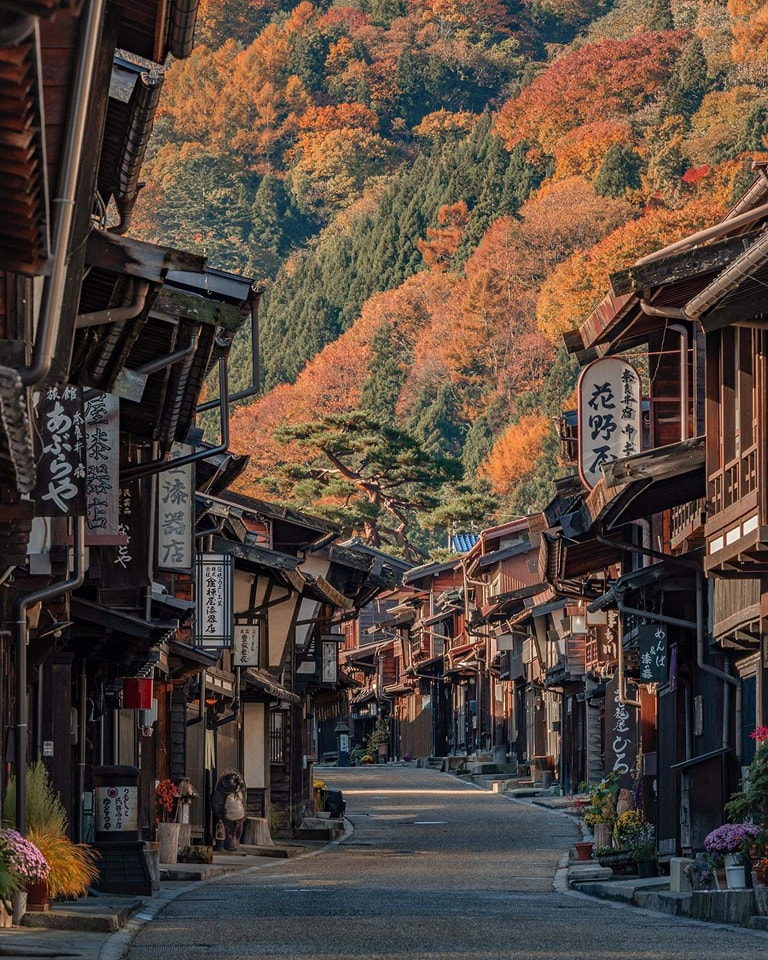
30 minutes by car
A preserved Edo-period post town along the old Nakasendo highway. Wooden merchant houses, lacquerware shops, and a road that feels genuinely unhurried.
60 minutes by car
A high-altitude basin in the Northern Japan Alps with glacier-fed rivers, beech forest, and mountain views that shift constantly with season and weather.
50 minutes by car
A secluded onsen village known for milky-white sulphur waters and ryokan inns surrounded by deep forest. The water is said to improve with each visit.
The old highway between Edo and Kyoto still exists in stretches — timber towns, chestnut vendors, and mountain passes that reward slower travel. A guide to the most walkable sections near Nagano.
Cherry blossom in April, fireflies in July, crimson maples in October, and snow-silence in February. Each season in the Nagano highlands changes the landscape entirely — here is what to expect month by month.
The etiquette, the different water types, and the ones worth making a detour for. A warm, practical introduction to the bathing culture that shapes life in the Japanese Alps year-round.
What travellers say about this property — from every channel we list on.
No reviews from this channel yet.
A small team — replies in a few hours, most days.
Review your stay, share a few details, and we'll lock it in. Your enquiry comes straight to the host — no platform in between.
Edit anything below — the price recalculates as you go.
For confirmation, arrival logistics, and your booking record.
Card details are handled securely by Stripe. No charge is shown until your dates are confirmed.
Online payment isn't configured for this property yet. Please contact the host directly to complete your booking.
Thank you, friend. We've sent a confirmation to your inbox with full arrival details.
—